
The Key Ingredients for Building Future-Ready Classrooms
Ashnaaf Mahfooz
24-May-2025

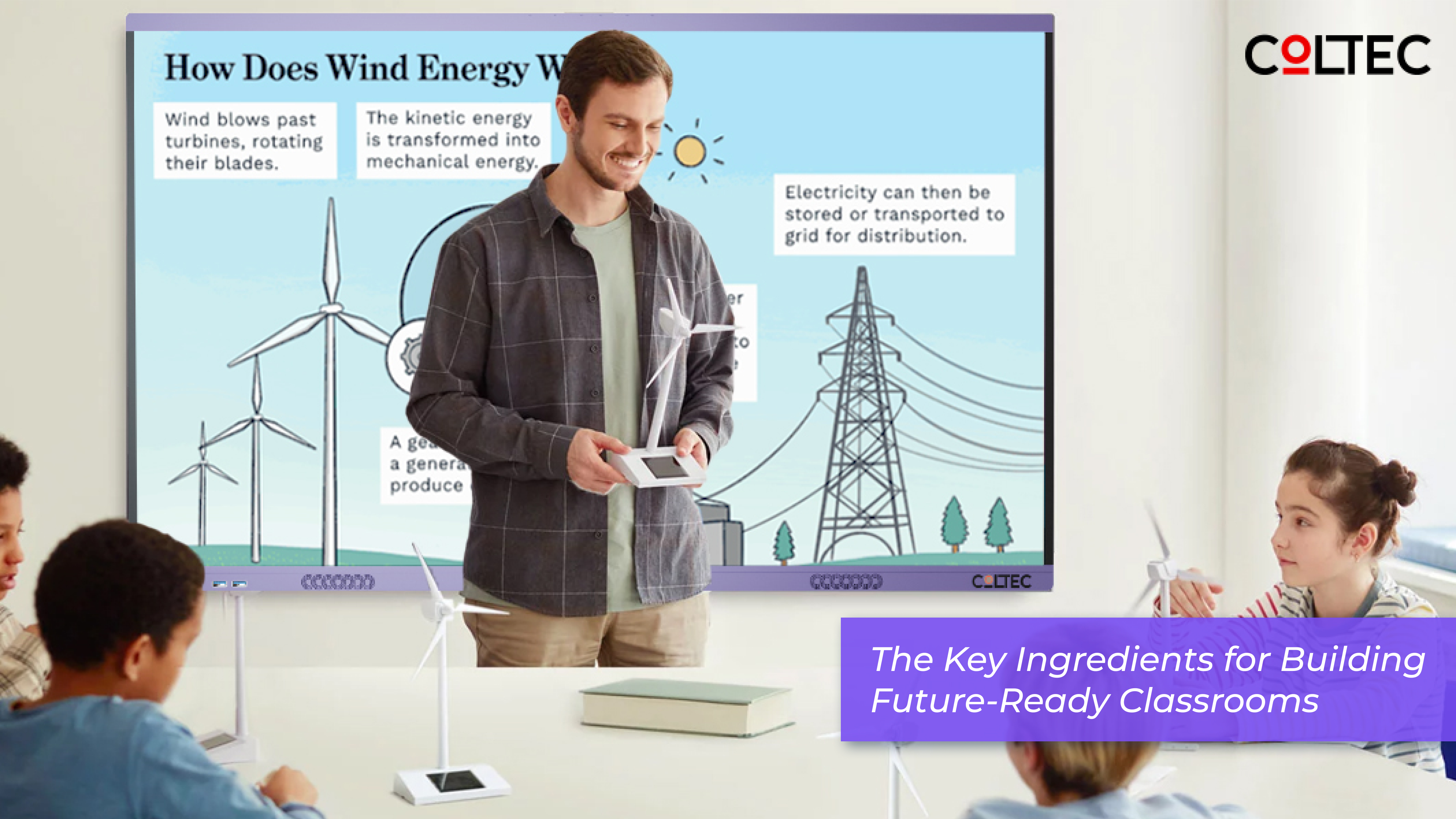
A few decades ago, a classroom was defined by rows of desks, a chalkboard, and a teacher standing at the front of the room. Learning was largely one-directional—teachers spoke, students listened, and textbooks ruled the day. But today, learning has evolved. Students are growing up in a world filled with touchscreens, voice commands, digital content, and global access to information. The classrooms preparing them for the future must evolve too—and quickly. Building a future-ready classroom isn’t just about adding technology for technology’s sake. It’s about creating environments where students can think critically, collaborate naturally, and engage with content in ways that mirror the real world.
So what are the key ingredients that make a classroom truly future-ready?
1. Interactive Technology That Invites Participation
Modern learners expect to be part of the lesson—not just passive observers. Interactive displays, smart panels, and voice-controlled AI systems transform static lessons into dynamic experiences. Students can walk up to a COLTEC interactive panel, manipulate virtual 3D objects, collaborate with their peers in real-time, or even search for answers using voice commands. This active participation fosters deeper understanding, greater curiosity, and longer retention of knowledge.
2. Flexible, Accessible Learning Materials
Future-ready classrooms must break free from the "one-size-fits-all" textbook model. Students should have access to a wide variety of materials—digital notes, practice exercises, virtual labs, recorded classes, e-books, and more. Platforms like QEEB make this effortless, offering structured content that students can revisit anytime, from anywhere. This flexibility ensures that every student—whether fast-paced or needing extra time—gets the opportunity to succeed.
3. Collaborative Learning Environments
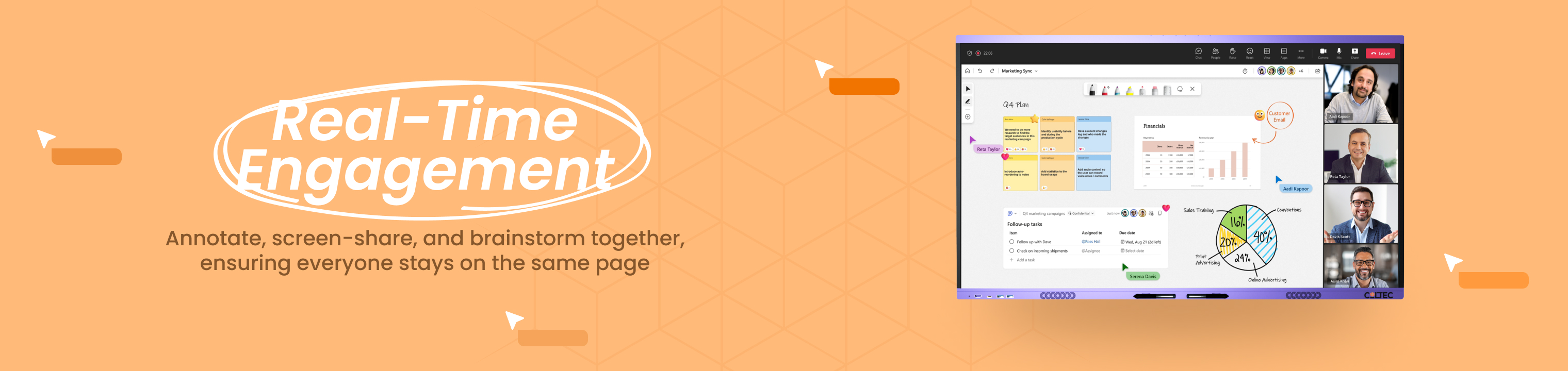
The workplaces these students are headed for will demand collaboration, communication, and creativity. Future-ready classrooms should reflect this reality. Shared interactive whiteboards, group problem-solving sessions, live annotation tools—all of these encourage students to think together, challenge ideas, and build knowledge collaboratively. Teachers become facilitators of discussion, rather than just providers of facts.
4. Teacher Empowerment Through Smart Tools
No technology can replace the heart of a great classroom: a passionate, skilled teacher. However, the right technology can amplify their impact. Future-ready classrooms equip teachers with tools that save time, automate assessments, organize resources, and allow them to focus more on personalized instruction. COLTEC’s smart panels and QEEB platform, for example, allow teachers to instantly record lessons, share additional resources, or generate AI-corrected assessments—all within minutes.
5. Safe, Reliable, and Scalable Infrastructure
Future-ready education also demands reliability. Interactive technologies must be durable, easy to maintain, and secure. Administrators must be able to scale technology across multiple classrooms without excessive complexity. Brands like COLTEC prioritize enterprise-grade reliability alongside user-friendliness, ensuring institutions get maximum value for years to come.
Final Thoughts: Future-Ready Isn’t Optional. It’s Essential.
Preparing students for tomorrow doesn’t mean abandoning the principles of good teaching—it means enhancing them with the tools of the future. Future-ready classrooms are flexible, collaborative, interactive, and designed to nurture creativity, critical thinking, and resilience. By investing in solutions that center around active participation, smarter content delivery, and teacher empowerment, schools and institutions are not just keeping up with the times—they're giving students the real-world skills they need to thrive. The future of education isn’t about gadgets. It’s about possibilities. And future-ready classrooms are where those possibilities come alive.
We’d love to hear from you! Share your thoughts in the comments below—how are smart boards being used in your classrooms? Do you face similar challenges?
If you found this article useful, please share it with your network and help start a conversation on meaningful use of ICT in education.

Latest Blogs
Blog Categories
Leave a Comment
Comments
No comments yet. Be the first to comment!

